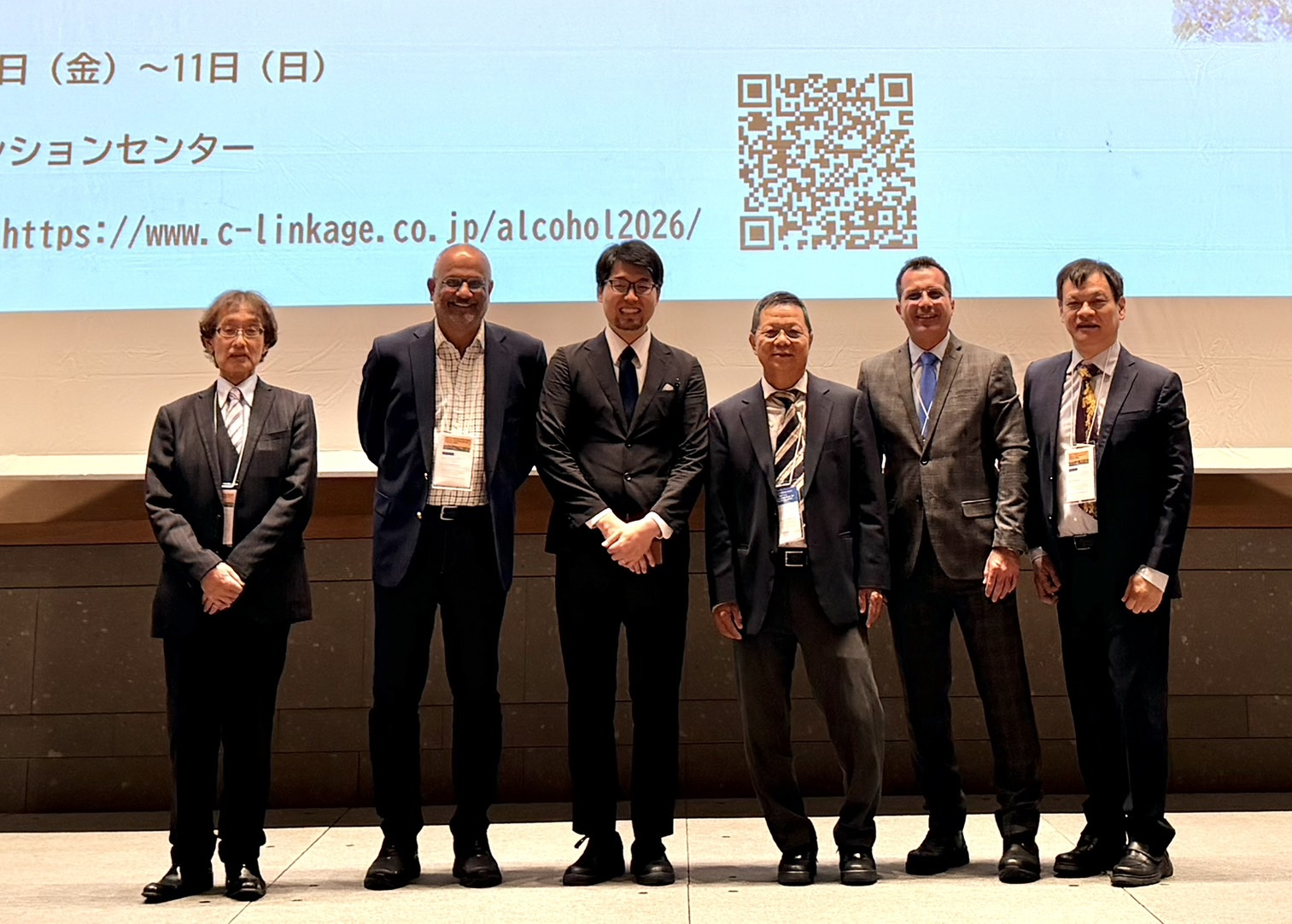
Tony Szu-Hsien Lee, a professor in the Department of Health Promotion and Health Education at National Taiwan Normal University (NTNU), was elected president of the Asia-Pacific Society of Harm Reduction and Addiction (ASHRA) by board members representing seven Asia-Pacific countries during the society's international congress in Sapporo, Japan, held from October 9 to 11, 2026.
Lee's research focuses on addiction neuroscience, substance use and behavioral addictions, psychotherapy, and drug prevention policy. He also serves as director of NTNU's Center for Addiction Prevention and Policy Research, executive director of its in-service master's program in addiction prevention, and president of the Taiwan Harm Reduction Association. Through these roles, he has worked to connect academic research, professional training, community services, and public policy.
Strengthening International Cooperation in Addiction Research
ASHRA brings together researchers and practitioners in addiction science, clinical medicine, mental health, public health, and policy studies to promote evidence-based addiction prevention and harm reduction. As ASHRA president, Lee will draw on his extensive research and practical experience in Taiwan to promote academic collaboration and advance addiction prevention and harm reduction policies across the Asia-Pacific region.
The ASHRA congress took place at the Sapporo Convention Center alongside meetings organized by the Japanese Society of Alcohol and Addiction Related Problems and the Japanese Medical Society of Alcohol and Addiction Studies. Academic exchanges were also held in conjunction with the 11th World Congress of Asian Psychiatry (WCAP).
Together, the four academic platforms brought more than 1,000 researchers, physicians, psychologists, and clinical and social service professionals together to discuss advances in addiction science, psychiatry, evidence-based treatment, and harm reduction policy.
The congress was supported by Japanese scholars Tomohiro Shirasaka, Hisatsugu Miyata, and Toshikazu Saito, along with ASHRA board members from across the region. Lee expressed appreciation for their contributions and emphasized that the society's development reflects sustained cooperation among researchers and clinical professionals from diverse academic and cultural backgrounds.
Advocating Evidence-Based and Culturally Responsive Harm Reduction
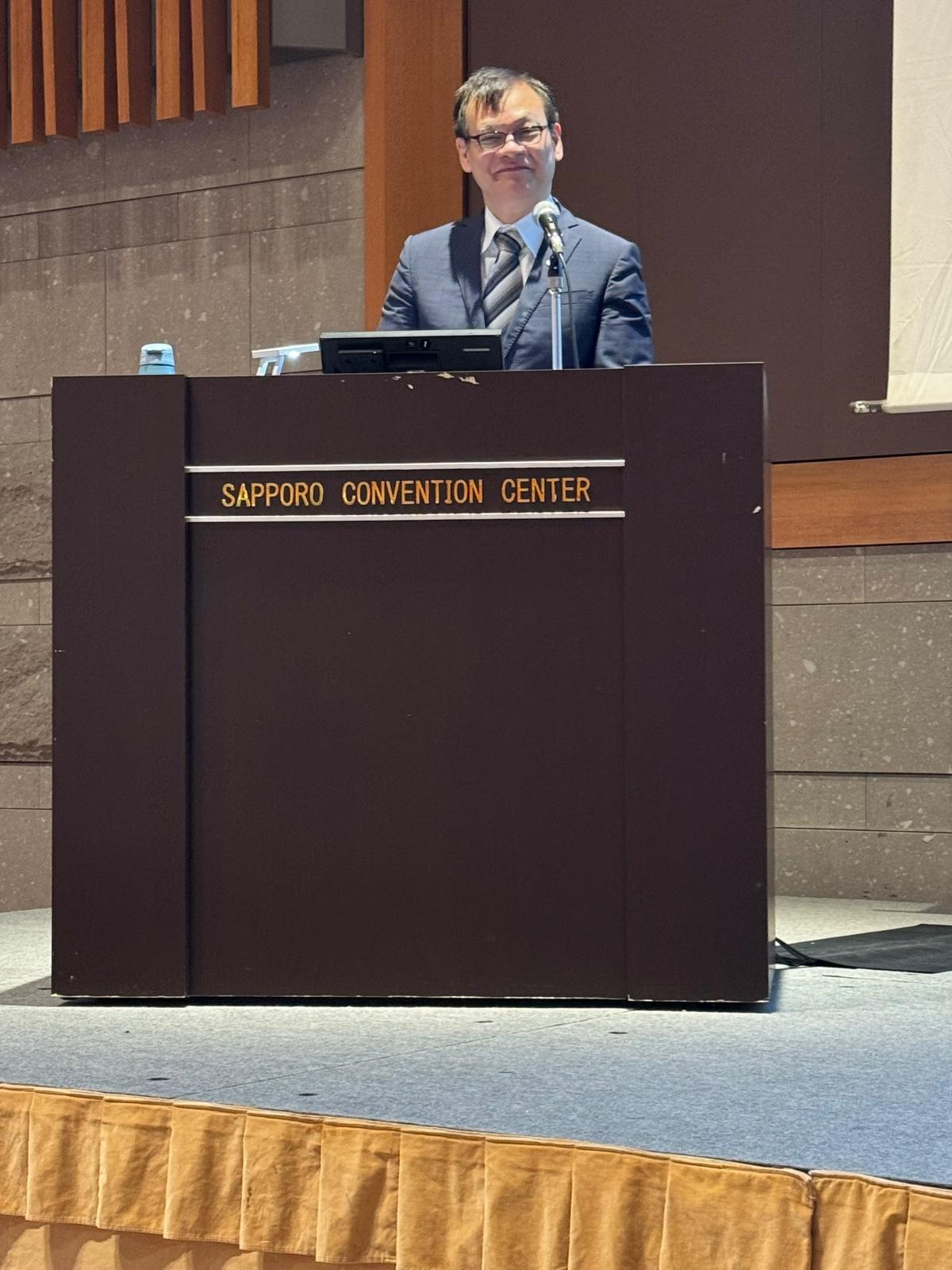
On October 10, Lee delivered the opening keynote lecture, 'Foundation, Mission and Promotion of Harm Reduction in the Asia-Pacific Rim,' outlining the scientific principles and future directions of harm reduction. He highlighted the diversity of cultural traditions, religious beliefs, legal systems, family structures, and healthcare resources across the Asia-Pacific region, calling for addiction research, treatment approaches, and policies that reflect local social and cultural contexts.
Lee explained that substance-related and behavioral addictions, including problematic gaming and social media use, involve not only individual health but also neurological processes, psychological well-being, family relationships, and broader social conditions.
He emphasized that addiction treatment should not be evaluated solely in terms of abstinence. Reducing health risks, improving mental well-being, restoring daily functioning, and maintaining access to treatment and social support are equally important considerations. Rather than encouraging addictive behavior, harm reduction uses scientific evidence and professional intervention to minimize harm to individuals, families, and communities while respecting human dignity and supporting recovery.
Expanding Global Partnerships in Addiction Medicine
During the congress, Lee also chaired a joint WCAP–ASHRA forum, 'Addiction and Harm Reduction in the Asia-Pacific Rim,' which brought together specialists in psychiatry and addiction science for interdisciplinary discussion.
Marc Potenza, the Steven M. Southwick Professor of Psychiatry at Yale School of Medicine and then president-elect of the International Society of Addiction Medicine (ISAM), delivered a lecture and agreed to serve as an ASHRA advisor, strengthening the society's connections with the international addiction medicine community.
ASHRA aims to build on these exchanges through joint research, resource sharing, clinical training, and dialogue on addiction prevention policies and practices.
Supporting the Next Generation of Researchers
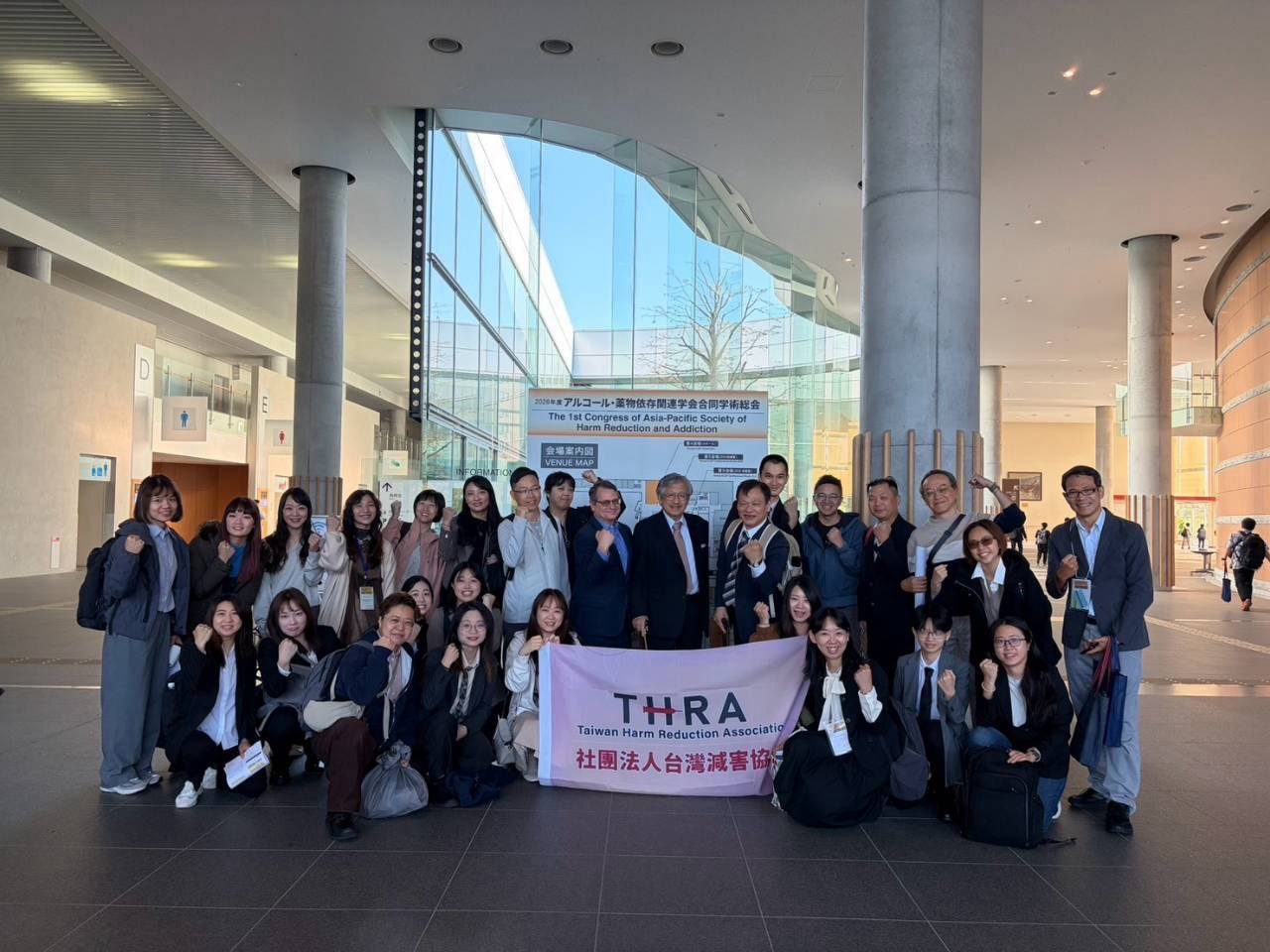
More than 20 NTNU students also traveled to Japan to present their research in addiction science, mental health, and health promotion. Through research presentations, poster sessions, and academic discussions, students gained opportunities to exchange ideas with scholars from Japan, Thailand, Indonesia, Malaysia, and other countries, strengthening their research experience and international academic connections.
Lee hopes to use ASHRA's international network to expand opportunities for emerging Taiwanese researchers, practitioners, and students to participate in interdisciplinary research and address global public health challenges.
ASHRA Sets Five Strategic Priorities for Addiction Research and Harm Reduction
Looking ahead, Lee and ASHRA's international partners have identified five priorities: establishing cross-border research networks in addiction science and neuroscience; promoting evidence-based harm reduction policies grounded in human rights and public health; integrating addiction medicine, psychotherapy, judicial interventions, and social recovery services; developing prevention and intervention strategies for digital behavioral addictions, including gaming disorder; and training the next generation of addiction prevention professionals.
'Let science guide policy, let understanding replace stigma, and let everyone have the opportunity to recover,' Lee emphasized.
Through his leadership of ASHRA, Lee seeks to advance these priorities while expanding opportunities for NTNU researchers and students to contribute to addiction science, clinical practice, and public health policy across the Asia-Pacific region.