


|
|
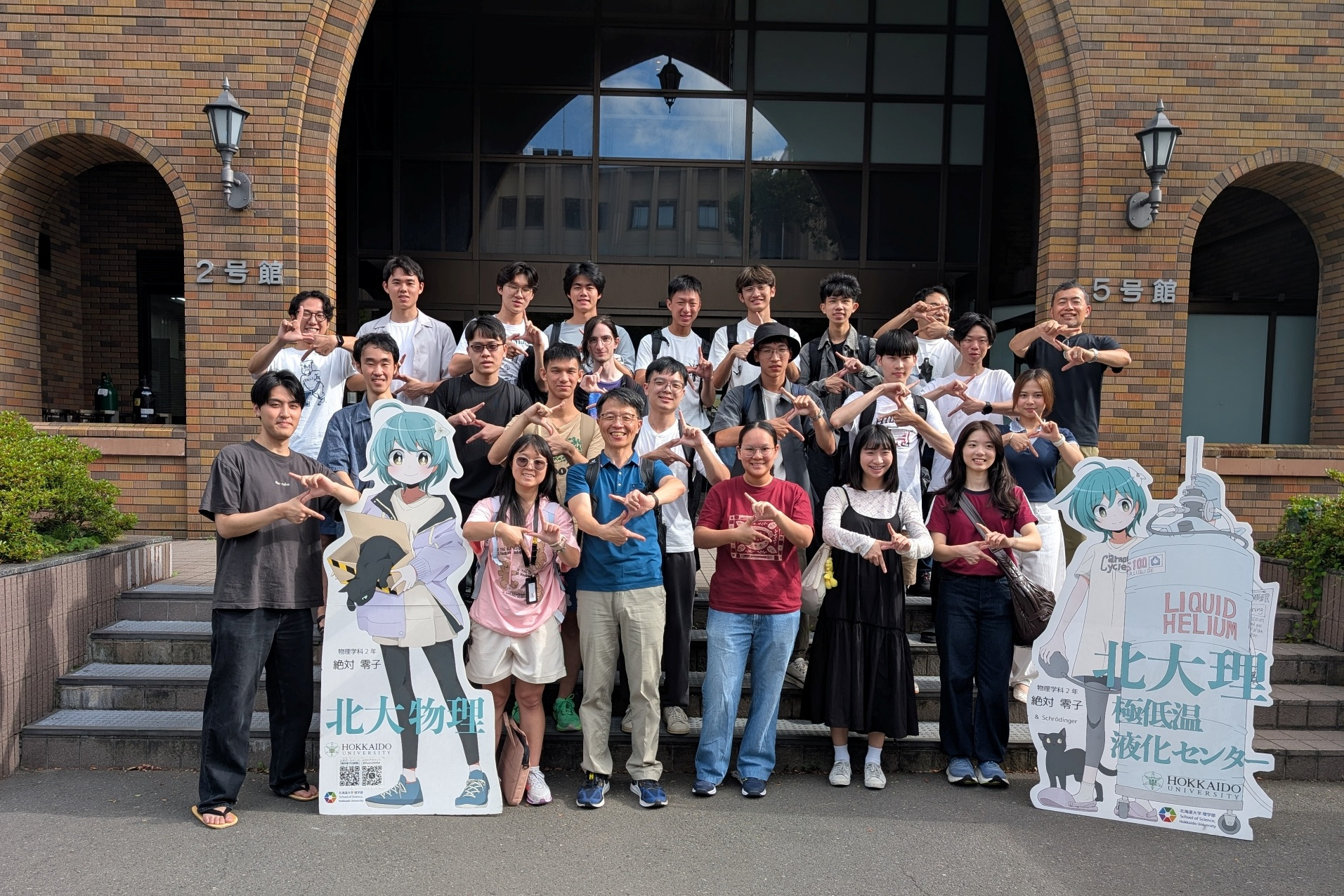
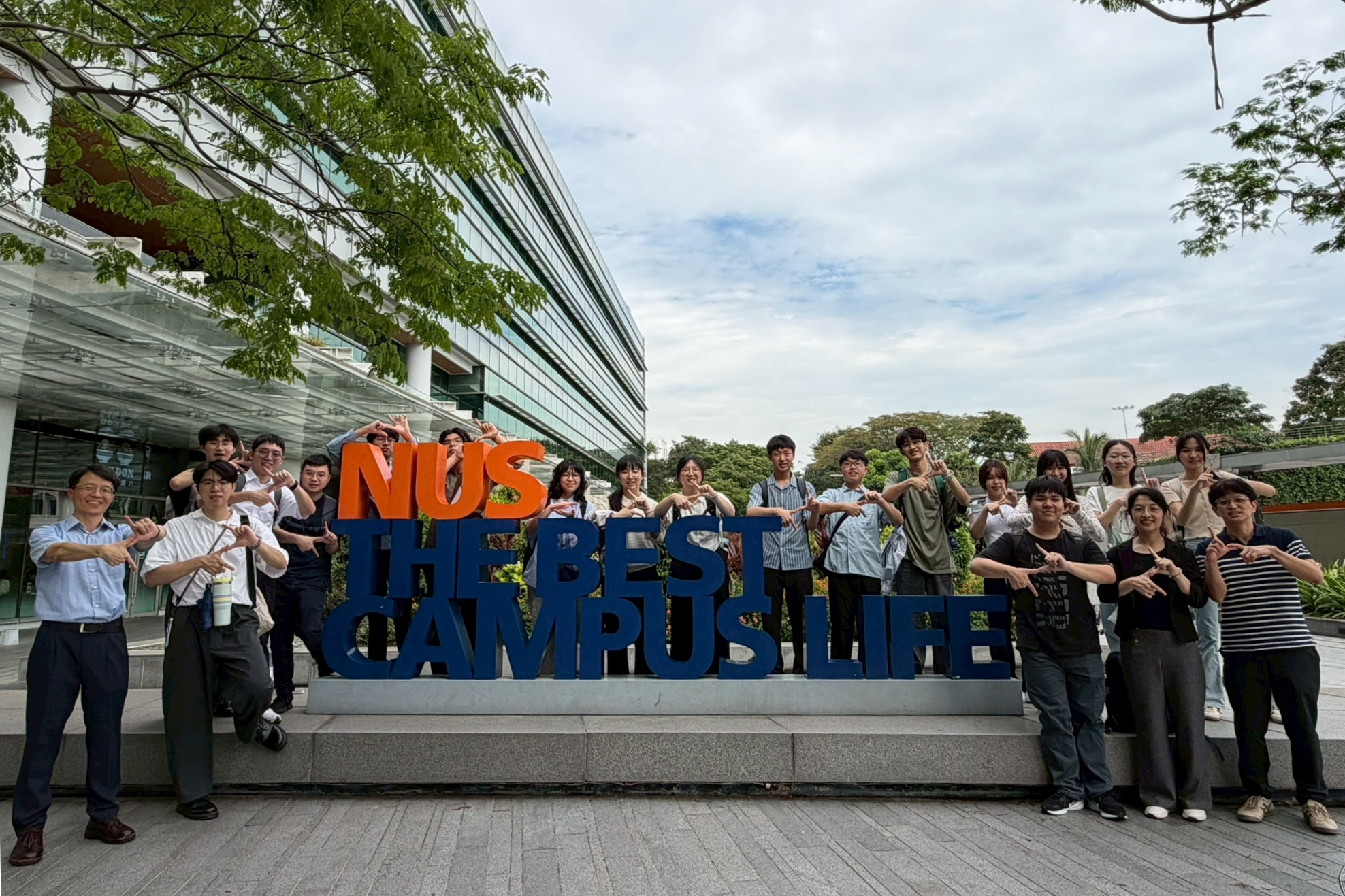
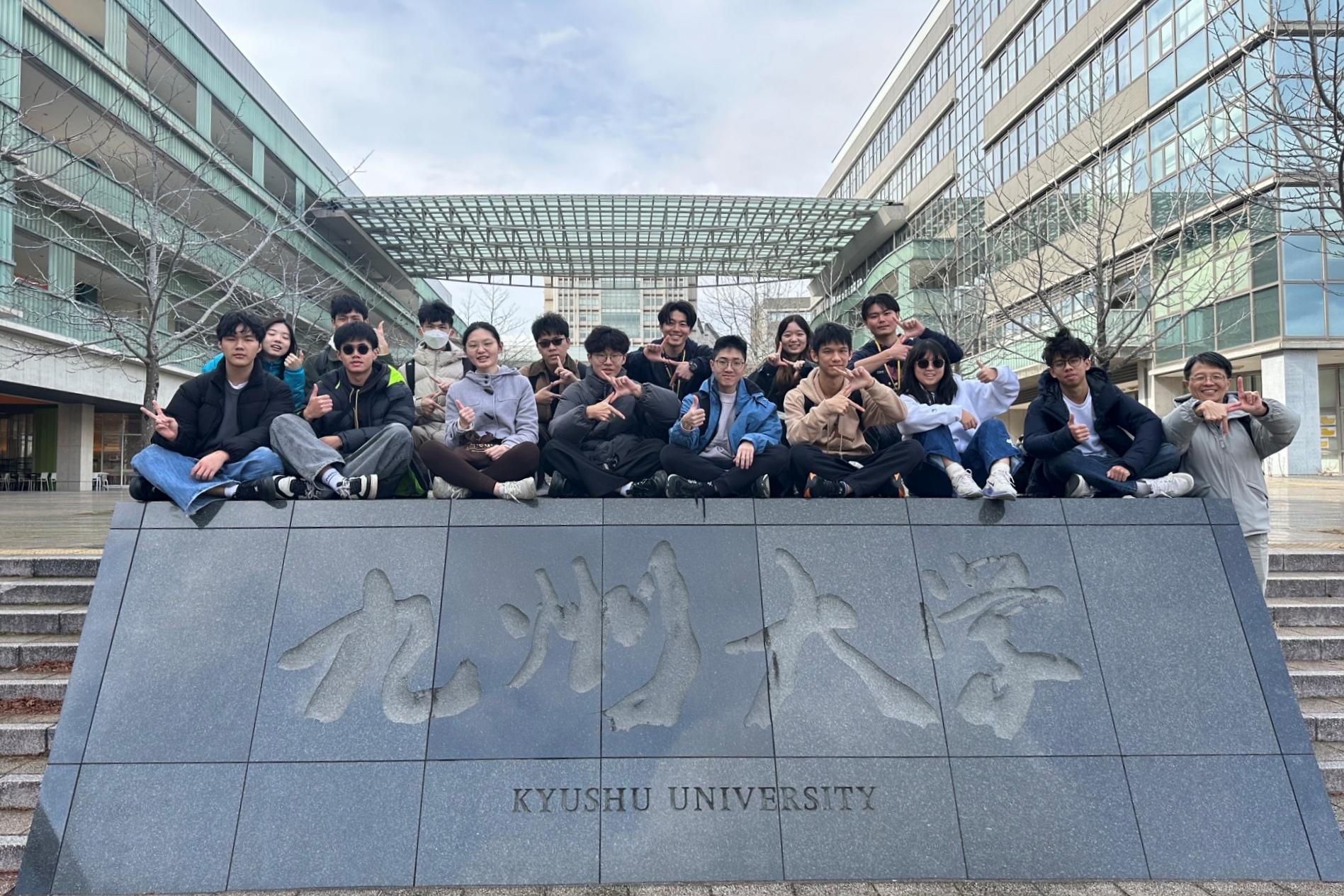
National Taiwan Normal University (NTNU) continues to advance English-medium instruction and campus internationalization and has been designated by the Ministry of Education as a Benchmark University for bilingual education. NTNU currently offers six fully English-taught undergraduate degree programs. Beginning in the 2025–2026 academic year, the Department of Physics transformed one of its two undergraduate classes into an International Program, admitting domestic high school graduates and providing fully English-taught courses and international research training to cultivate globally competitive talent in the fundamental sciences.
The International Program has shown strong enrollment results. In its first year, the program recorded an application-to-admission ratio of 13.5 through the Stars Recommendation channel for the 2025–2026 academic year, ranking eighth among Group 2 programs at public universities in Taiwan. For the 2026–2027 academic year, the program offered 17 places through the Individual Application channel and attracted 632 applicants, reaching an application-to-admission ratio of 37.2, demonstrating strong interest among high school students in this international research-oriented learning model. In addition, female students account for approximately 35% of the program, with its diverse and international learning environment providing favorable conditions for encouraging more women to pursue STEM fields.
To cultivate internationally oriented research talent, the Department of Physics has adopted “Research-based EMI” as the core of the program, integrating English-medium courses, overseas summer schools, international research internships, dual master’s and doctoral degree programs, and international academic collaboration. The department is gradually developing an international research training system extending from undergraduate to graduate education. In addition to building their knowledge of physics, students develop English communication, cross-cultural collaboration, and problem-solving skills through authentic research and international exchange.
The Department of Physics has established research exchanges or dual-degree collaborations with the California Institute of Technology, the University of Wisconsin–Madison, Osaka University, Kyushu University, Hokkaido University, and the National University of Singapore. Through summer schools, overseas research internships, and research exchanges, students can explore emerging fields such as quantum computing, low-dimensional semiconductor materials and devices, and optoelectronics, extending their classroom learning into international research settings.
Professor Hsiang-Lin Liu, advisor to the International Program, places strong emphasis on students’ overseas learning experiences. In 2026, he led students on visits to Kyushu University and the National University of Singapore in February, followed by Osaka University in June and a summer school at Hokkaido University in July. Through these intensive and diverse exchanges, students gain exposure to research environments and academic cultures in different countries while broadening their international perspectives and developing cross-cultural communication and teamwork skills.
As emerging technologies such as quantum technology, AI chips, advanced optoelectronics, and new materials continue to develop rapidly, solid foundations in basic science and experience in international collaboration are increasingly important alongside engineering and applied skills. NTNU’s Department of Physics aims to further develop into a model base for cultivating international research talent in physics in Taiwan, continuing to integrate English-medium education, international research training, and global collaboration networks. Through this approach, the department seeks to establish a replicable and scalable talent development model and lay the foundation for Taiwan’s next generation of fundamental science and emerging technologies.

