


|
|
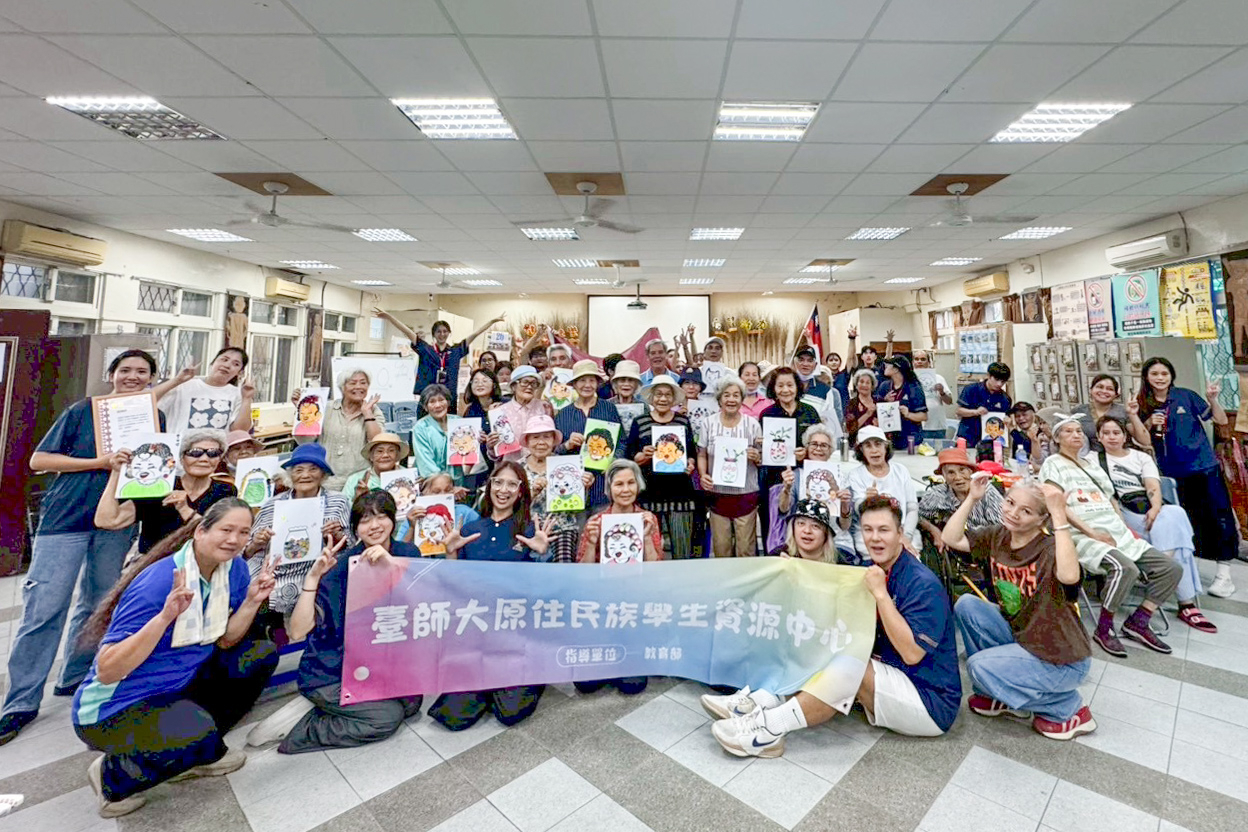
Eighteen students and faculty members from National Taiwan Normal University's (NTNU) Indigenous Student Resource Center (ISRC) traveled to Fata’an Tribe in Guangfu Township, Hualien County, for a five-day community service program beginning on June 24. Designed in close consultation with the local community, the program focused on accompanying elders, organizing activities for children, promoting cultural exchange, and supporting community needs.
Rather than providing one-way assistance, the program encouraged students to learn alongside community members while strengthening their understanding of Indigenous culture and identity.
Service Begins with Listening
'Community service should begin with understanding and respecting the needs of the community,' said Huang Yanshi, an Amis student from Duli Tribe in Taitung.'Only by viewing things from the community's perspective can our service truly support elders and children.'
According to Hana’ Ilid, advisor at NTNU's Indigenous Student Resource Center, the team communicated extensively with Fata’an before departure to understand local expectations and adjust the service plan accordingly.
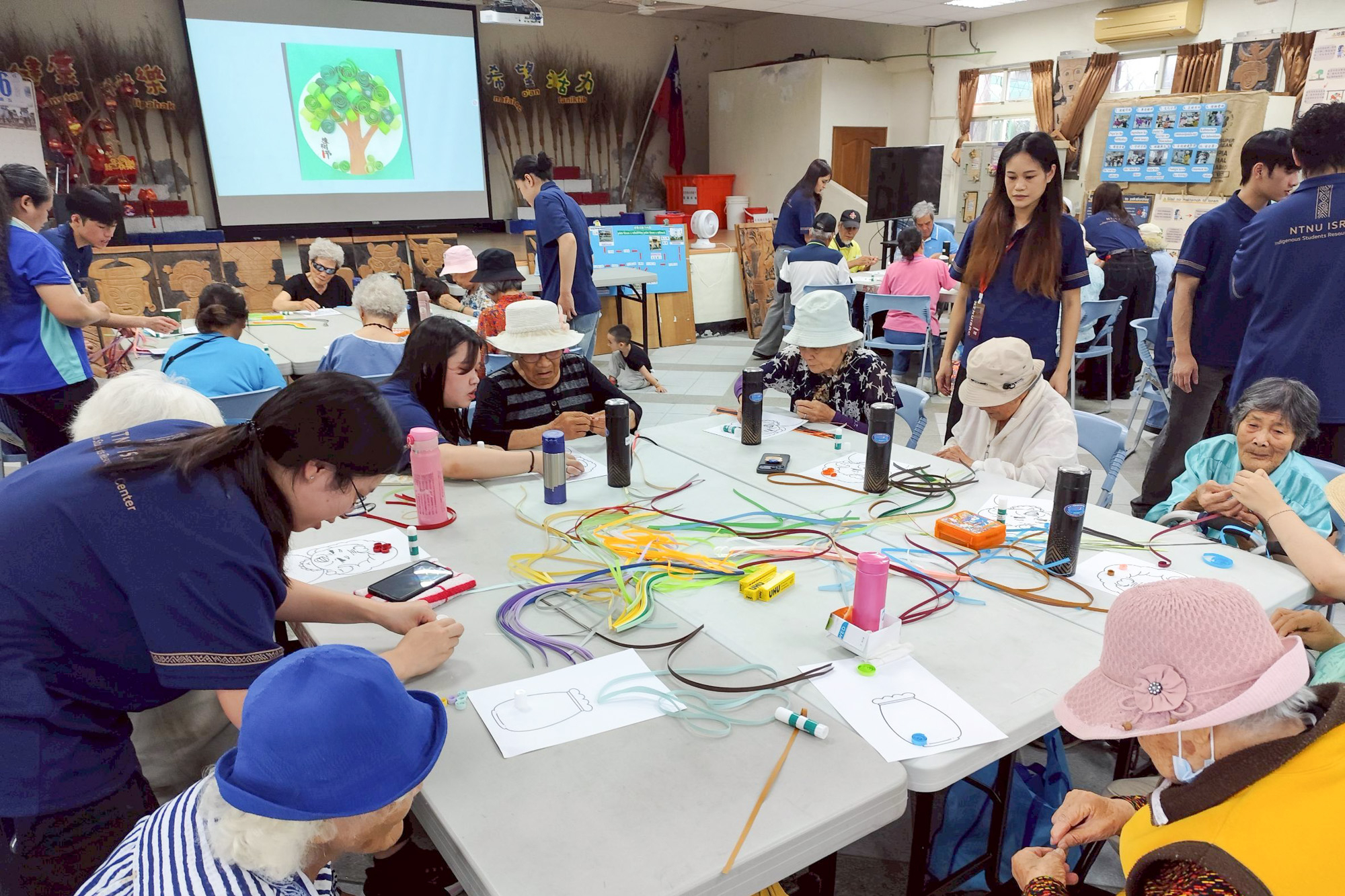
During the five-day program, students helped transport supplies at Guangfu Elementary School, visited Fata’an Community Care Center to accompany elders through games and conversations, and organized storytelling and educational activities for children at Fata’an Church.
Rediscovering Culture Through the Community
For many participants, the experience became an opportunity to reconnect with their own cultural heritage.Laway Cisay admitted that although he grew up as an Amis, limited proficiency in the Amis language sometimes made communication with tribal elders difficult.'The experience helped me realize how important our language is to preserving our culture,' he said.
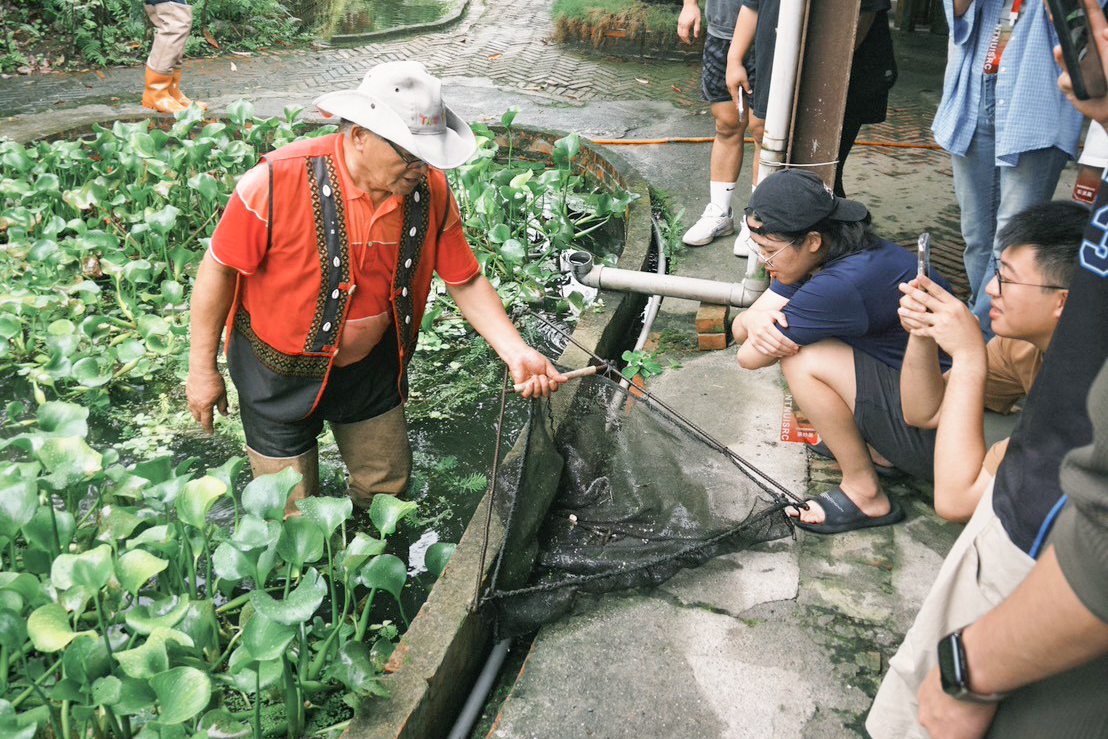
During a guided visit to the Fata’an Wetlands, Laway also learned more about Palakaw, the traditional Amis fishing system, as well as the history and stories of Fata’an.Meanwhile, Ro’it, a member of Fata’an Tribe, said leading storytelling activities for local children helped her reconnect with her hometown. She recalled being deeply moved when elders immediately recognized her family simply by hearing the names of her grandfather and father.
'It reminded me how closely connected our community is,' she said.
Stories Beyond the Original Itinerary
An unexpected highlight came when changing weather forced the group to adjust its schedule.The tribal elder Marang took them to the sacred mountain and nearby Fengbin. Along the journey, he shared stories about Amis history, the origins of the sacred mountain, and his years of service in the Tribal Chiefs Association.For Huang Yanshi, those conversations became the most memorable part of the entire trip. 'It wasn't part of our original plan, but it became my favorite experience and the one from which I learned the most.'
Learning That Service Is Mutual
Huang believes the greatest lesson from the program was that service is never one-sided.Returning to Fata’an one year after devastating floods, he found that helping move supplies, chatting with elders, or simply playing with children were small acts that carried genuine meaning.
'Service is not about bringing light to someone else's life. It's about discovering that, while walking beside another person for part of their journey, a light within yourself is rekindled.'At the closing ceremony, Zeng Peiling, Chief of Daping Village, thanked the NTNU students for their companionship throughout the week.
She said the students' energy and enthusiasm brought joy to local elders and encouraged them to continue learning, living wholeheartedly, and embracing life without regrets. She also expressed her hope that Fata’an will continue recovering from last year's floods, ending her remarks with the Amis blessing:
'Aray.'
Written by Lin Tzuchun, Campus Reporter, Graduate Institute of Teaching Chinese as a Second Language, NTNU
Edited by Zhang Shi
Reviewed by Hu Shize

